
Insight
PR Frights: How to Avoid a Halloween Campaign Falling Flat
Halloween gives brands a ready made cultural moment to tap into. Audiences are already engaged, journalists are looking for timely stories and there is plenty of scope for creativity.
But that also means competition is high.
Every October, brands, agencies and PR teams are trying to find their own angle on the same moment. Some campaigns cut through. Others disappear almost as quickly as they arrive.
So what separates a Halloween campaign that earns attention from one that falls flat?
Start with the story, not the theme
Adding pumpkins, costumes or a spooky headline does not automatically make a campaign relevant.
The strongest seasonal campaigns usually begin with a good story and use Halloween as the hook, rather than building the entire idea around the date.
The question should always be: Would this still be interesting if you removed the Halloween reference?
If the answer is no, the idea may need more work.
Give the media something worth showing
For visually led campaigns, the image or video can be just as important as the story itself.
Journalists and picture editors are looking for content that communicates quickly. A strong image should make sense almost immediately and give the audience a reason to stop.
For Halloween in particular, there is plenty of room for creativity, but the visual idea still needs to be clear. We have explored this in more detail in our guide to creating shareable Halloween PR campaigns, including how to make seasonal content more engaging and more likely to travel across channels.
If someone has to read several paragraphs of copy before understanding the image, it is probably working too hard.
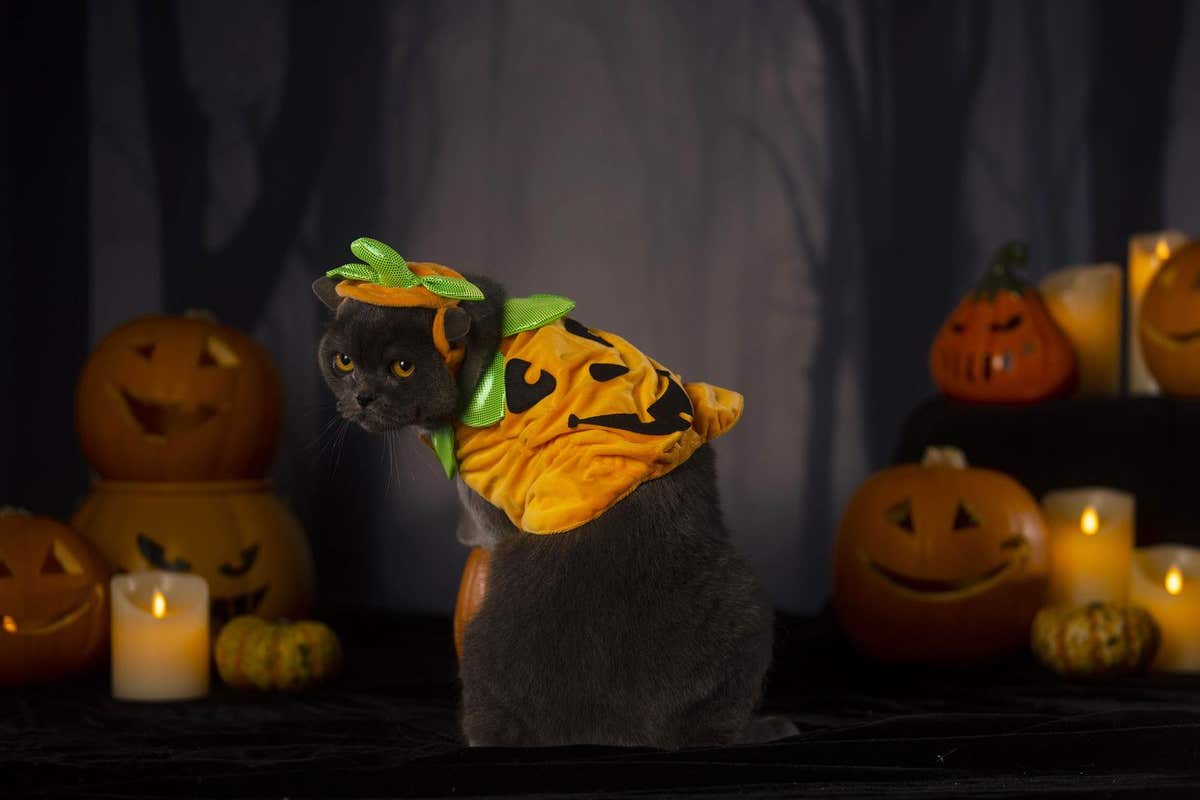
Photo: PA30 Oct 2023
Do not leave timing until the last minute
Halloween happens on the same date every year, but that does not mean the campaign should launch on 31 October.
By then, many journalists will already have covered their Halloween stories.
Seasonal PR works best when teams think backwards from the moment they want to own. That means understanding when journalists are planning content, when imagery needs to be available, and how much time is required for approvals.
A strong idea can quickly lose its impact if the photography arrives after the story has moved on.
Keep approvals simple
One of the easiest ways to slow down a timely campaign is to involve too many people in the approval process.
If five different stakeholders need to approve every image before anything can be distributed, a fast moving opportunity can disappear very quickly.
Before the shoot, agree who has final sign off, what needs approval and what can be released immediately.
The same applies to captions, names, locations and supporting information. Having these details ready before the campaign goes live can save valuable time later.
Think beyond one channel
A Halloween campaign should not need an entirely separate production for press, LinkedIn, Instagram, websites and internal communications.
With the right planning, one shoot can create a much broader bank of content.
That might include hero photography for the media, vertical video for social channels, behind the scenes footage, interview clips, shorter edits and supporting images for owned channels.
Thinking about those requirements at the briefing stage allows the production team to capture everything needed while the people, location and opportunity are already available.
It also helps brands get more value from the investment they are making in the campaign.
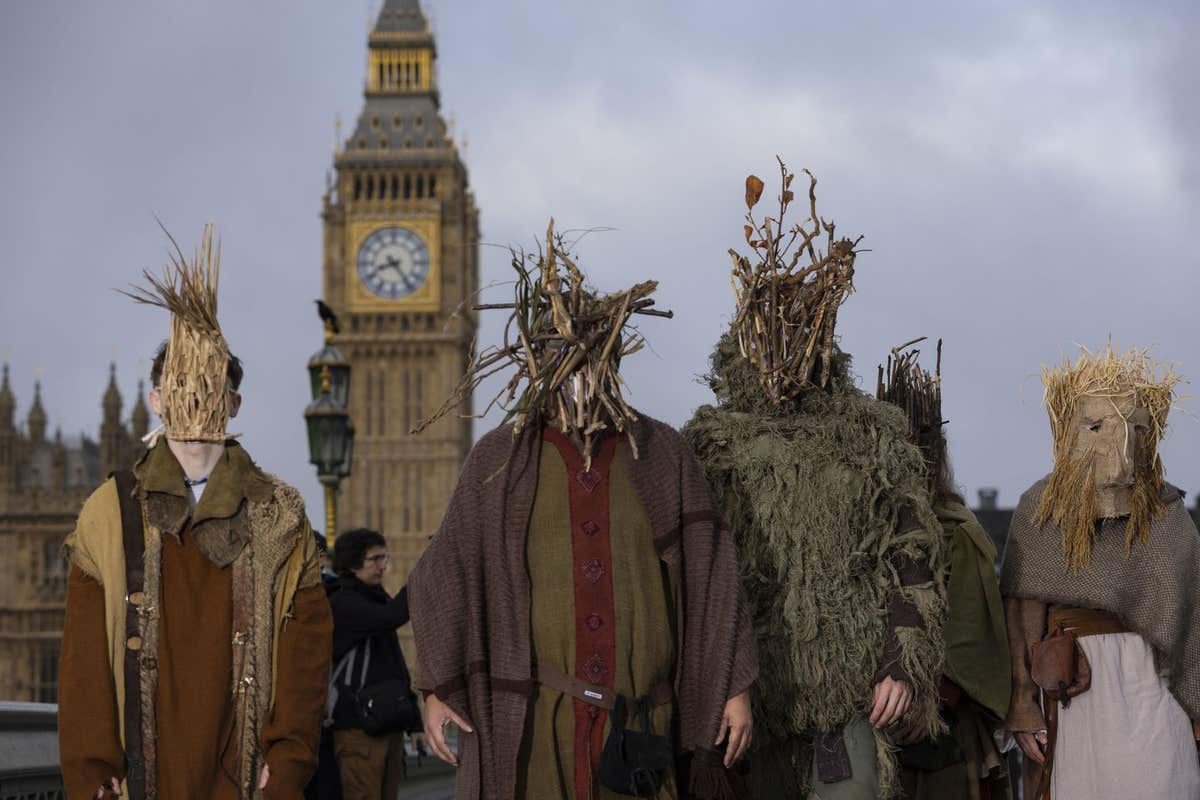
Photo: PA29 Oct 2024
Do not mistake attention for relevance
There is always pressure around major cultural moments to create something bigger, stranger or more surprising than everyone else.
But attention alone is not necessarily the goal.
A campaign can generate conversation and still fail to communicate anything meaningful about the organisation behind it.
The strongest ideas connect the creative execution back to the brand, product or message in a way that feels natural.
The audience should understand why that organisation is part of the conversation.
If the connection feels forced, journalists and consumers are likely to notice.
Give the campaign its best chance of travelling
No production company can guarantee that a campaign will secure media coverage. But there are choices that can improve its chances.
A strong story, distinctive imagery, clear captions, quick approvals and timely delivery all make it easier for journalists to understand and use the content.
At Assignments, that editorial thinking is part of how we approach a brief from the beginning. It is not simply about capturing an event or creating attractive imagery. It is about understanding how the content may ultimately be used, what the media needs, and how to make the story as easy as possible to tell.
Halloween may only last a day, but the planning behind a successful seasonal campaign starts much earlier. Because the scariest thing for any PR team is not a ghost, a monster, or a badly carved pumpkin.
It is investing in a great campaign that nobody sees.
Explore our recent projects to see how we help organisations turn important moments into strong visual stories.


